Blue Ox Removable Tab Baseplates
Tow with Confidence, Built for Satisfaction
When it comes to flat towing, the Blue Ox towing system delivers unmatched reliability, and it all starts with Blue Ox baseplates. These beauties are engineered for ease, durability, and a perfect fit, making your Blue Ox towing experience seamless, whether you’re hitting the road for adventure or a cross-country RV trip.
Effortless Setup with the Blue Ox Base Plate
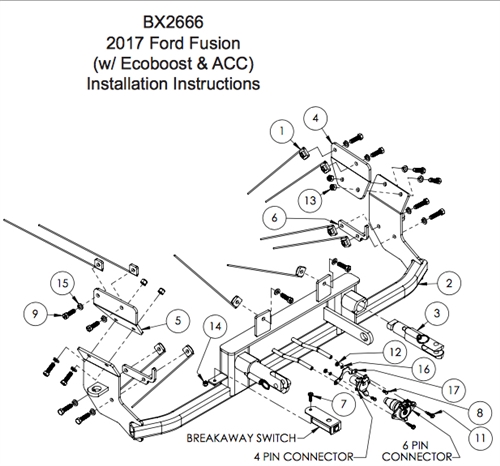
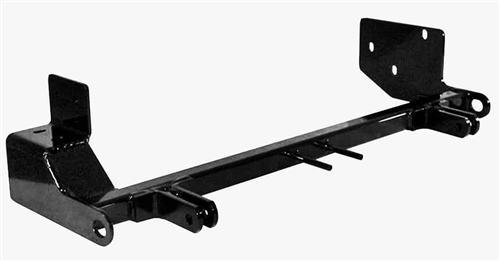
The Blue Ox base plate is a breeze, with removable tabs that twist and lock into place in seconds. Connecting your Blue Ox tow base plates to your Blue Ox tow hitch or Blue Ox receiver hitch is quick and stress-free, so you’re ready to roll fast. Installation? Just as simple. No welding required—these baseplates bolt directly onto your chassis. Each unit includes all required hardware and clear instructions for a hassle-free setup.
Built Tough for the Long Haul
Crafted from heavy-duty steel and powder-coated to resist rust and corrosion, every Blue Ox base plate is engineered to withstand the harshest conditions—from coastal roads to mountain trails.
Engineered for Smooth, Stress-Free Towing
Blue Ox baseplates distribute forces evenly across your frame, absorbing shocks and reducing strain on your vehicle for a safer, smoother RV experience.
Custom Fit, Total Satisfaction
Every Blue Ox base plate is custom-built for your specific vehicle, ensuring seamless integration with your Blue Ox receiver hitch—or tow hitch—for optimal performance and peace of mind.
Why Choose Blue Ox?
You’re investing in a legacy of innovation and durability. Blue Ox base plates offer easy operation, rugged construction, and a 3-year limited warranty—backed by the confidence Blue Ox delivers.
Ready to elevate your towing? Order today and experience top-tier Blue Ox performance.
Why should I buy from RV Camp Champ?
See What Adventurers Are Saying
"I am in awe of Tom and his customer-oriented service and expertise.
In this day and age, I have become accustomed to mediocrity bordering on incompetence from most transactions. Tom took an extraordinary amount of time with us and pushed for more information to be sure we got just the right piece of equipment. I also saved about $160 over other competitors."
- Gary L
CALL NOW FOR FAST & EASY SERVICE
877-736-2267
Safety
Utilizing supplemental brakes ensures both vehicles brake in tandem, significantly reducing stopping time and distance.
This helps mitigate the risk of a panicked stop, a leading cause of tow system failure.
Supplemental braking relieves stress on the tow bar and mounting brackets, preventing potential catastrophic failure.
Incorporating supplemental brakes also helps reduce the chance of catastrophic brake failure
in a motorhome caused by sustained heavy braking.
Regulatory Compliance
A Legal Obligation According to the American Automobile Association, most states and many
Canadian provinces now require supplemental brakes if the towed weight exceeds 3,000 lbs. (1,360 kg).
Non-compliance with these regulations can result in serious legal consequences.
Chassis Warranty
A Matter of Adherence. It is essential to note that failing to use supplemental brakes when required can void the chassis warranty.
Workhorse/Chevrolet will void the warranty if you tow more than 1,000 lbs. (454 kg) without supplemental braking,
and Ford has a 1,500 lbs. (680 kg) limit. Adhering to these manufacturer guidelines is not only important, but it's also a warranty-saving necessity.
Wear and Tear
Without supplemental brakes, the tow bar must absorb the total braking force of the dinghy, resulting in increased wear and tear, similar to the action of an accordion. This can contribute to premature tow bar failure. Additionally, the motorhome brakes will experience less wear when supplemental brakes are utilized, as they are not solely responsible for braking both vehicles.
Industry Norms
It is worth noting that most trailers on the road, including fifth wheels, travel trailers, boat trailers, and semi-trailers, are equipped with braking systems. Given the significant weight being towed, including supplemental brakes for a dinghy is a widely recognized best practice.
Conclusion
In conclusion, using supplemental brakes when towing a dinghy is a crucial safety and compliance requirement in many jurisdictions. It also helps to protect the integrity of the tow system and chassis warranty while reducing overall wear and tear on the motorhome's braking components. Considering the industry norms and best practices, supplemental brakes are strongly recommended.
Unique State Road Weights That RVers Should Know
SHOP SAFE AND SECURE